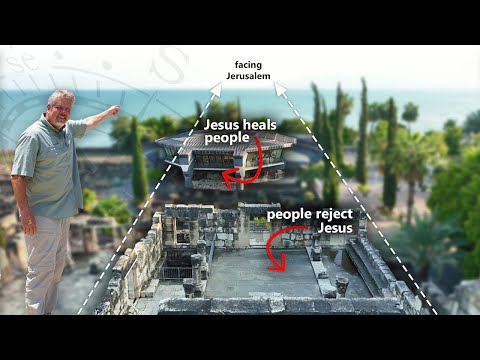
House of Peter in Capernaum
Context
Virgilio Corbo was a Franciscan archaeologist who led excavations at Capernaum starting in 1968, focusing on the western portion of the site owned by the Franciscans. Stanislao Loffreda, his colleague, collaborated on these efforts and helped uncover the layers of what is believed to be a 1st-century house. Together, they contributed to identifying the site's archaeological features related to early Christian structures.
What Was Found
The House of Peter refers to the ruins of a first-century A.D. house discovered in Capernaum by Italian excavators. This site was found beneath an octagonal Byzantine martyrium church and includes features such as plastered rooms and inscriptions that suggest it was used for early Christian communal gatherings. The house is noted for its potential connection to Peter and early Christian activities based on its archaeological characteristics.
Why This Matters
The site's features provide evidence of early Christian use of a first-century house.
Acceptance Assessment
Debated Among Scholars
What Scholars Debate
Scholars debate whether the excavated house was truly the home of Peter, with some critiquing the evidence for early veneration due to limited legible graffiti and questioning if the space was a room or courtyard. Others challenge the interpretation of the site's features as a house church based on architectural inconsistencies.